Trending

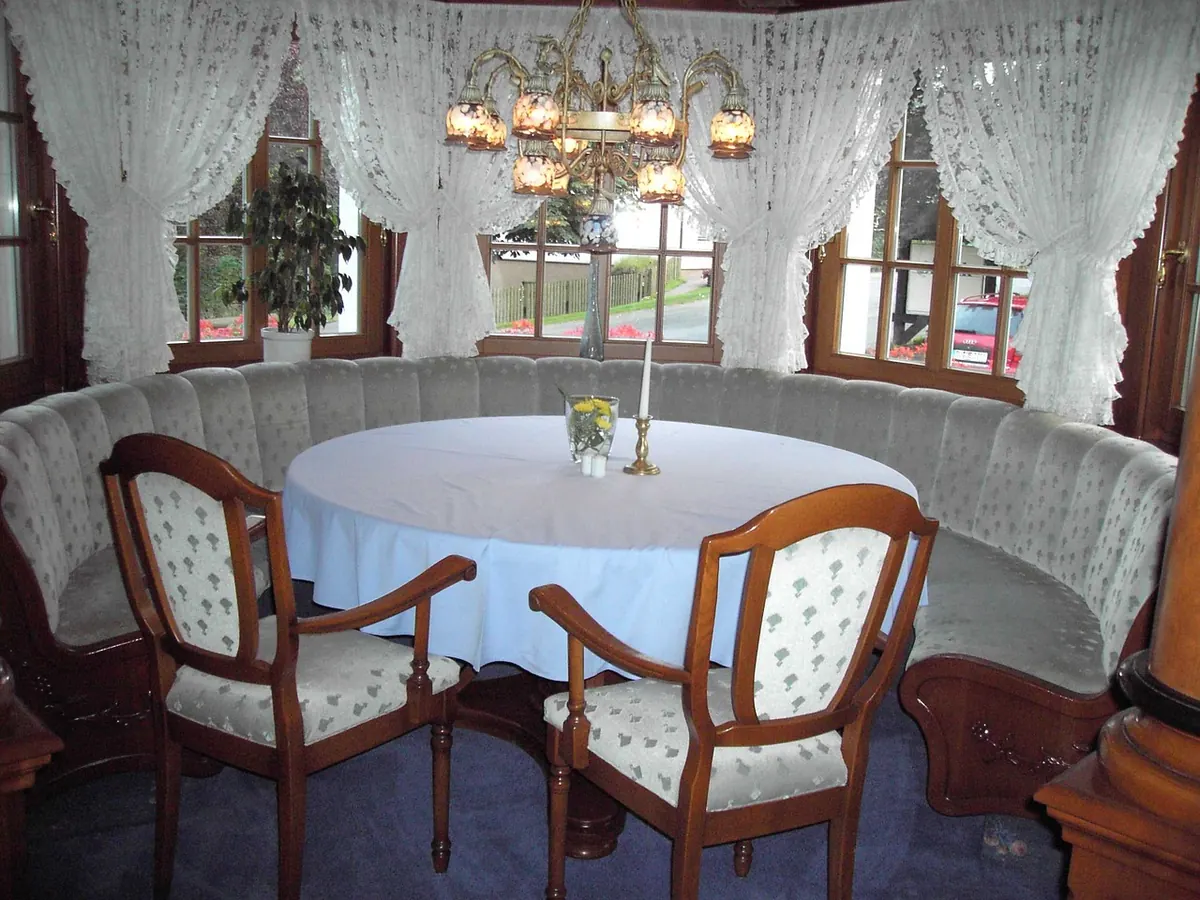
Victorian terraces were built to a formula: a narrow frontage, tall sash windows, a chimney breast with an alcove either side, and ceilings that make modern flats feel cramped. Buy one and you inherit all of it — the good and the awkward. The trick is not to flatten the room into something bland and new, and not to recreate a museum either. It is to let the period bones do the work while everything you actually sit on, switch on and live with is quietly contemporary.
Before you buy a single cushion, stand in the doorway and look at what the room already gives you. Victorian living rooms in terraces are usually longer than they are wide, with a chimney breast breaking the far wall into three parts. That shape decides your layout.
Most people push a sofa against the longest wall and a television opposite, then wonder why the room feels like a corridor. Try pulling the seating into the middle instead. Two sofas facing each other with a rug between them, or a sofa and two armchairs grouped around the fireplace, uses the length properly and frees the walls for storage and art. Keep a clear route from door to window. The room will feel bigger, not smaller.
Those recesses either side of the chimney breast are the most useful thing in the room and the easiest to waste. A few approaches that hold up well:
If you have two alcoves, resist filling both equally. Let one carry the storage and keep the other lighter — the asymmetry stops the room looking like a showroom.
If the original cast-iron insert and tiled slips survived, keep them. Clean them, repaint the surround if the paint is tired, and leave the rest alone. If the fireplace has been ripped out, a reclaimed cast-iron insert with a slate or stone hearth restores the focal point without pretending to be something it isn't. A wood-burning stove is another option in many terraces, but check local smoke control rules and building regulations first, and use a registered installer.
The mantel is a shelf, and shelves behave best when they're edited. Work in threes: a mirror or a large piece of art above, then two or three objects below at different heights — a pair of small lamps or candlesticks, a stack of two or three books, one bowl or vase. Hang the mirror so its base sits just above the mantel rather than floating high on the wall. It ties the two together and bounces light back into the room.
Height is a gift and a problem. One pendant in the centre of the ceiling lights the middle of the floor and leaves the corners gloomy, which is exactly where you want to sit in the evening. Layer instead.
Keep the central fitting — a simple pendant, a schoolhouse shade or a small chandelier suits Victorian proportions — and hang it lower than instinct suggests. In a living room, the bottom of the shade sitting roughly two metres from the floor keeps it in the room rather than up near the cornicing. Then add:
Warm bulbs — around 2700K — flatter both period details and modern furniture. If you change only one thing, put the main lights on dimmers.
The rooms that work best are not period rooms with modern things in them, or modern rooms with a few antiques. They are a genuine mix, held together by colour and proportion.
Choose contemporary furniture with clean lines and no fuss: a low linen sofa, a simple oak or walnut coffee table, a plain wool rug. These give the eye somewhere to rest against busy cornicing, ceiling roses and moulded architraves. Let the period details carry the character — original floorboards, a picture rail, a deep skirting, a decent door with its original brassware.
Every original feature you keep is a reason to keep everything else simple.
Don't be precious about paint, either. Painting over dark-stained skirting, doors and built-ins in a soft off-white, or in the same colour as the walls, is one of the quickest ways to lift a dark Victorian room. Keeping every scrap of original wood on show usually makes a terrace feel heavier, not grander.
Tall rooms take colour that low ceilings can't. Mid blues, olive greens, muted terracotta and deep neutrals all sit comfortably with Victorian proportions. If painting the whole room dark feels like a step too far, put the colour on the chimney breast or inside the alcoves and keep the rest lighter.
Curtains matter more here than in a modern room. Hang the pole high, just below the cornicing, and wide enough that the curtains clear the window when open. Full length, to the floor or just kissing it. Short curtains cut a tall room in half.
For the floor, a rug should be big enough for the front legs of the sofa and chairs to sit on it. Original boards with a large wool or jute rug, plus one patterned or vintage piece layered over the top, gives you warmth without losing the boards.
Work in this order and you'll avoid buying twice:
Leave a little time between the steps if you can. Victorian rooms reward a slow, layered approach, and the best ones always look as though they were assembled over years — because they were.
Photo: Orca / Pixabay